


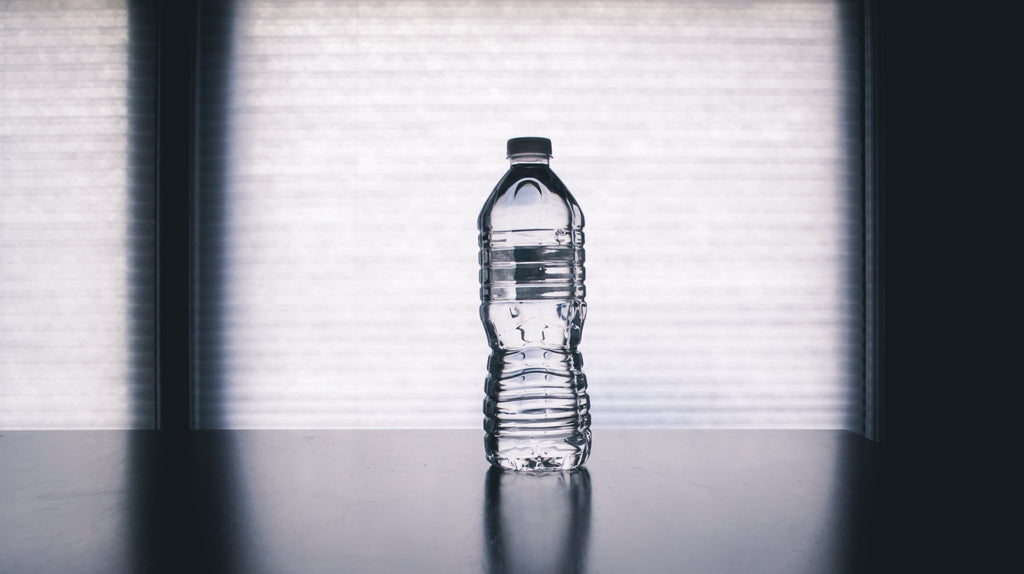
Do we gain weight, lose weight, cry, get angry, sleepy, have an increased libido or no sexual desire at all? There is one culprit, no matter how strange it may seem: Our hormones! Can plastic disrupt our hormones and what risks does its use pose to our health?
What happens when the toxic substances found on our plate, in our home, in the personal hygiene products we use daily, or even in our expensive perfume disrupt their function, and how can we limit our exposure to them?
Phthalates
They are found in toys, food packaging, feminine hygiene products (e.g. sanitary napkins, tampons, pads), cosmetics e.g. (perfumes, liquid soaps, nail polishes, hair sprays), cleaning products. We find them in a multitude of products, because they are used as plasticizers, in order to increase the elasticity, durability, strength and transparency of plastics and mainly to make PVC softer.
These substances are absorbed through the skin and have been blamed for allergic reactions and reproductive system disorders by blocking estrogen receptors. Some of the symptoms that a woman with low estrogen experiences are low mood, lack of sexual desire, painful intercourse, menstrual problems, weight gain, and fertility problems.
PCDDs (dioxins)
We find them literally everywhere, in the air, the soil, the water. They end up on our plates mainly through the alimentary tract and the exposure of animals to them, which is why they are detected in products such as milk, meat, eggs and butter. In essence, they are by-products that arise during industrial activity, fires and the burning of garbage in uncontrolled landfills. Long-term exposure to them affects, in addition to the endocrine and immune systems, the nervous and reproductive systems, and is also associated with the occurrence of prostate, breast, testicular and thyroid cancer.
BPA (bisphenol-A)
We find it in plastic plates, glasses, bottles and containers, in the inner protective coating of cans, in detergents, toys, cosmetics, herbicides, electronic equipment (e.g. computers). It enters our body mainly through the alimentary tract, e.g. passing from the plastic container to its contents. Research has associated it with liver problems, early onset of puberty, changes in the immune system, breast and prostate cancer, diabetes, obesity.
How can we limit our exposure to toxic substances:
- Prefer organic care products, such as shampoo, toothpaste, deodorants and cosmetics.
- Replace feminine hygiene products (pads, tampons and panty liners) with products made from organic cotton.
- Use natural cleaning products or create your own with ingredients found in your kitchen or garden, such as lemon, vinegar, baking soda, borax, certain essential oils (e.g. lemon, lavender).
- Limit your consumption of animal foods and choose organic products.
- Avoid drinking hot drinks from plastic cups and prefer glass ones.
- Buy products in glass bottles rather than plastic containers. Be aware that even “BPA-free” plastics often emit other chemicals that cause endocrine disruption. Store food in glass storage containers.
- Do not wash plastic utensils in a dishwasher.
- Avoid using insecticides in your home and garden.
 Previous





Leave a comment: